George Tsontakis

George Tsontakis has been the recipient of the two richest prizes awarded in all of classical music; the international Grawemeyer Award, in 2005, for his Second Violin Concerto and the 2007 Ives Living, awarded every three years by the American Academy of Arts and Letters. He studied with Roger Sessions at Juilliard and, in Rome, with Franco Donatoni. Born in Astoria, New York, into a strongly Cretan heritage, he has, in recent years, become an important figure in the music of Greece, and his music is increasingly performed abroad, with dozens of performances in Europe every season. Most of his music, including eleven major orchestral works and four concertos have been recorded by Hyperion and Koch, leading to two Grammy Nominations for Best Classical Composition, in 2009 and 1999. He is Distinguished Composer in Residence at Bard and artist-faculty emeritus with the Aspen Music Festival, where he was founding director of the Aspen Contemporary Ensemble from 1991 to 1999. He served three years as composer in residence with the Oxford (England) Philomusica; was the featured composer in residence with the Chamber Music Society of Lincoln Center for the 2008-09 season; and is continuing a six-year Music Alive residency with the Albany Symphony. He lives in New York State’s Catskill Mountains, in Shokan.
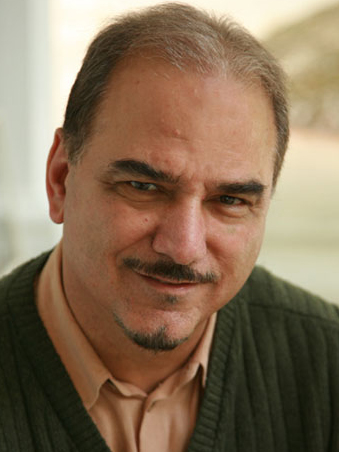
George Tsontakis (born Astoria, Queens, New York City, October 24, 1951) is an American composer and conductor.

Featured Events

What’s a Rich Text element?

What’s a Rich Text element?

The rich text element allows you to create and format headings, paragraphs, blockquotes, images, and video all in one place instead of having to add and format them individually. Just double-click and easily create content.

The rich text element allows you to create and format headings, paragraphs, blockquotes, images, and video all in one place instead of having to add and format them individually. Just double-click and easily create content.

Static and dynamic content editing

Static and dynamic content editing

A rich text element can be used with static or dynamic content. For static content, just drop it into any page and begin editing. For dynamic content, add a rich text field to any collection and then connect a rich text element to that field in the settings panel. Voila!

A rich text element can be used with static or dynamic content. For static content, just drop it into any page and begin editing. For dynamic content, add a rich text field to any collection and then connect a rich text element to that field in the settings panel. Voila!

How to customize formatting for each rich text

How to customize formatting for each rich text

Headings, paragraphs, blockquotes, figures, images, and figure captions can all be styled after a class is added to the rich text element using the "When inside of" nested selector system.

Headings, paragraphs, blockquotes, figures, images, and figure captions can all be styled after a class is added to the rich text element using the "When inside of" nested selector system.

What’s a Rich Text element?

What’s a Rich Text element?

The rich text element allows you to create and format headings, paragraphs, blockquotes, images, and video all in one place instead of having to add and format them individually. Just double-click and easily create content.

The rich text element allows you to create and format headings, paragraphs, blockquotes, images, and video all in one place instead of having to add and format them individually. Just double-click and easily create content.

Static and dynamic content editing

Static and dynamic content editing

A rich text element can be used with static or dynamic content. For static content, just drop it into any page and begin editing. For dynamic content, add a rich text field to any collection and then connect a rich text element to that field in the settings panel. Voila!

A rich text element can be used with static or dynamic content. For static content, just drop it into any page and begin editing. For dynamic content, add a rich text field to any collection and then connect a rich text element to that field in the settings panel. Voila!

How to customize formatting for each rich text

How to customize formatting for each rich text

Headings, paragraphs, blockquotes, figures, images, and figure captions can all be styled after a class is added to the rich text element using the "When inside of" nested selector system.

Headings, paragraphs, blockquotes, figures, images, and figure captions can all be styled after a class is added to the rich text element using the "When inside of" nested selector system.