


America, To US




.jpg)


.png)

.jpg)
.png)
.png)


.jpeg)






.webp)

.jpg)


.webp)


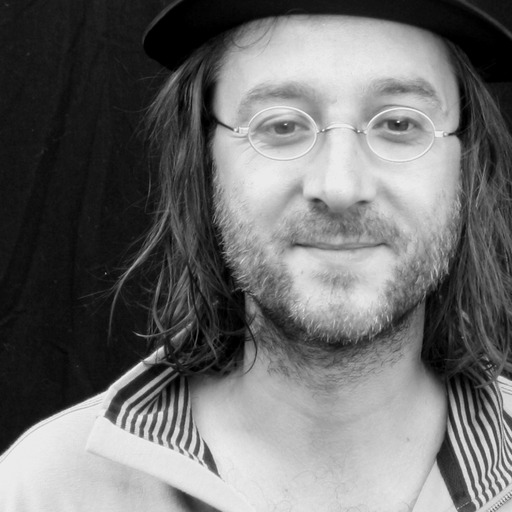
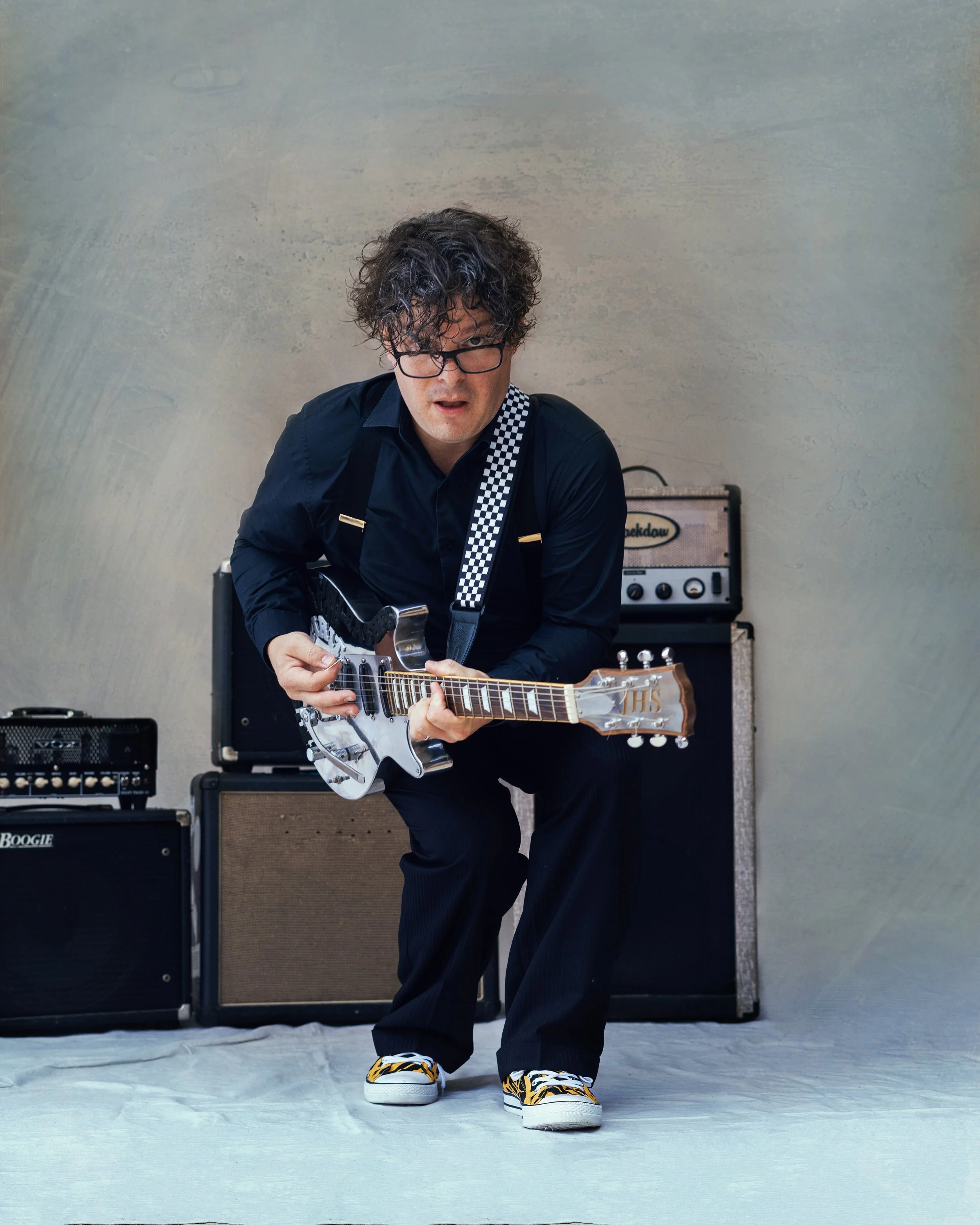
When I began writing America, To US, I wanted to confront the complicated country I am living in — a deeply divided nation — and the many Americans and other humans within it. In this concerto, the soloist inhabits the role of witness in front of an orchestra that reflects our American culture in its embrace of and opposition to ideas. That tension, between witness and culture, is at the center of this work. Just as importantly, this work was written for the great American violinist, Tracy Silverman, who has had violin concertos written from him by legendary composers such as John Adams, Terry Riley, and Roberto Sierra.
The score begins with disruption and a recurring theme of volatility. The six-string violin and use of multiple sonic effects allow for a deeper and distorted sound than a more traditional instrument. Throughout the concerto, the violinist navigates riffs, glissandi, fragments, grooves, long-lined melodies, and moments of improvisation. The music alternates between large, dense orchestral textures and intimate, clear, chamber music textures, where individual members of the orchestra collaborate closely with the soloist. A recurring rondo theme, entitled 'In the Shadow of Moonlight', is a slow, languid and anguished melody that expresses my feelings of helplessness and hope for my country.
It was important to me, in a piece that is fundamentally exploring democratic ideas, that an audience member be allowed to speak, be seen, be heard, and collaborate with their local orchestra. In this, I invented a technique called 'Town Hall Cadenzas': a moment where the soloist, orchestra, and select audience members will collaborate in a spontaneous and artistically vulnerable interaction. Similar to a town hall meeting, two microphones will be placed in the aisles, on stage, or made available to the audience by two ushers. Audience members will then be allowed to speak, sing, use sign language or movement, spoken word, or poetry, to express how they feel for a maximum of fifteen seconds each. The soloist and members of the orchestra can also participate in this moment, either as one of the speakers, or in a musical duet with the soloist. This moment aligns with composed music in the score for the orchestra and improvised music for the soloist. The soloist, similar to in any solo cadenza, will improvise their part in response and reaction to the audience member or member of the orchestra.
In composing this piece, I wanted to return to an idea that America has not ever really been united; rather, it is an ever-shifting collection of plural, fragile, and unfinished states. America has always been about land –– in its discovery, ownership, identity, and protection — and our most horrific conflicts revolve around how we live with one another, where, and with whom. This concerto is my offering to these pluralistic ideas. At its most substantial, this music is a portrait of conflict, invention, loss, joy, and the many ways we keep defining and destroying ourselves in relation to one another.
My hope is that listeners hear themselves in this music, whether in its tenderness or its terror, its groove or its grief, its questions or its relentlessness. In these shared sounds, we might, perhaps, glimpse a future America not simply given to us, but one we build, restore, cherish, and imagine together.
—Daniel Bernard Roumain (DBR)